
THE SHORT VERSION
Remove debris, treat spills early and inspect water movement.
Most paver care is straightforward. Sweep regularly, use gentle cleaning methods, keep soil and mulch off the surface, and watch for joint loss, loose borders, low areas or standing water. Sealing and aggressive stain treatment deserve a closer inspection first.
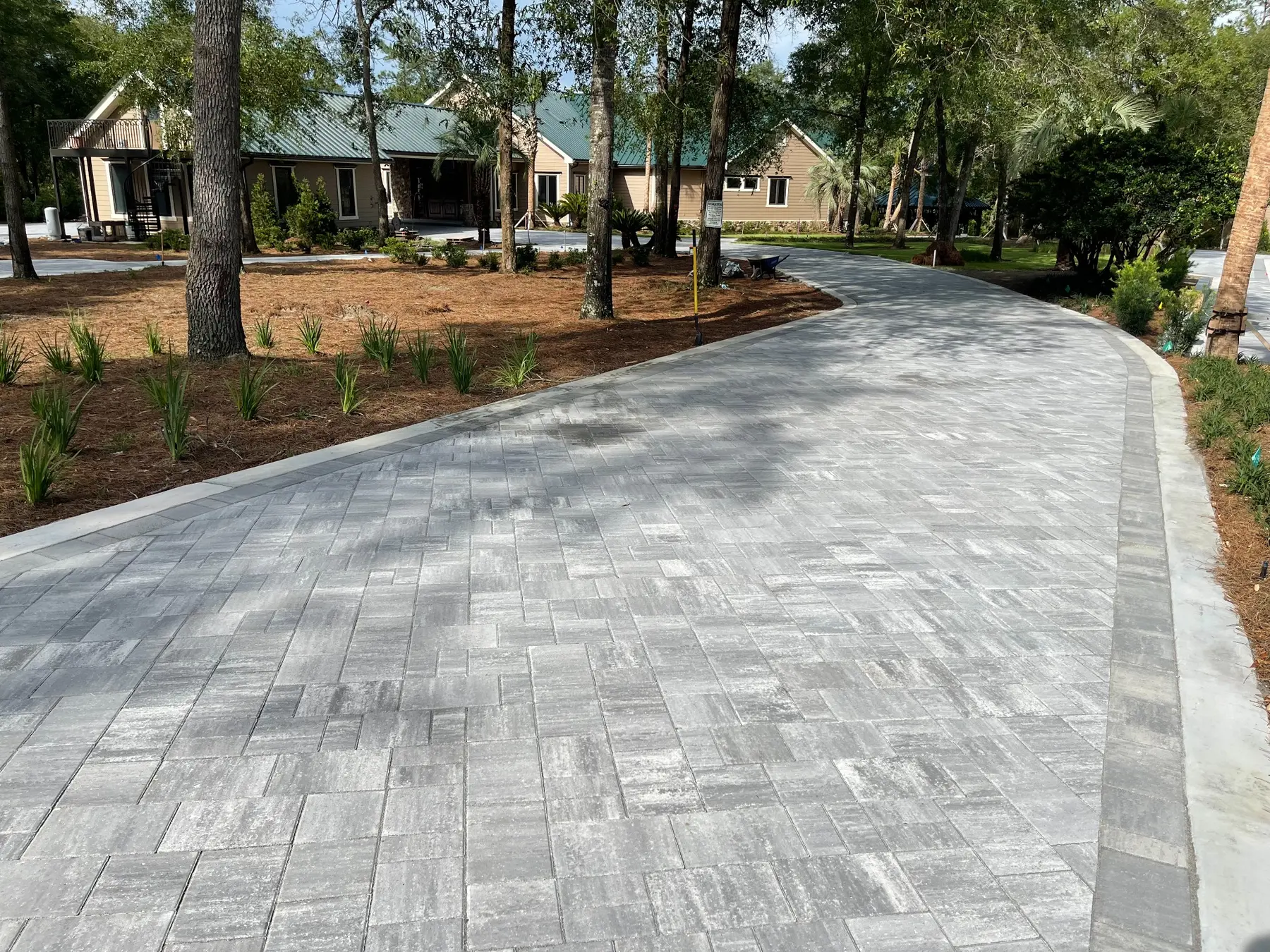
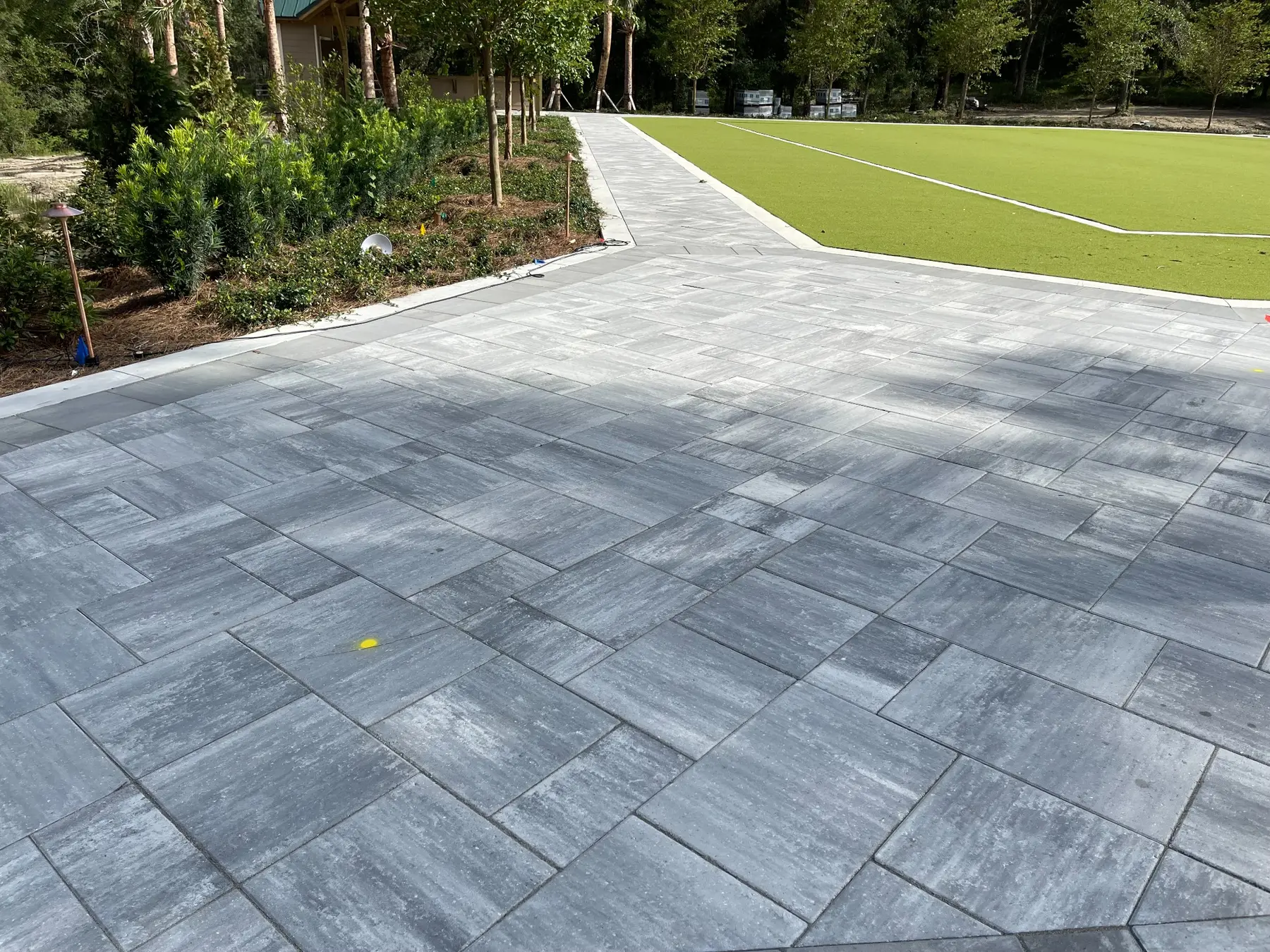
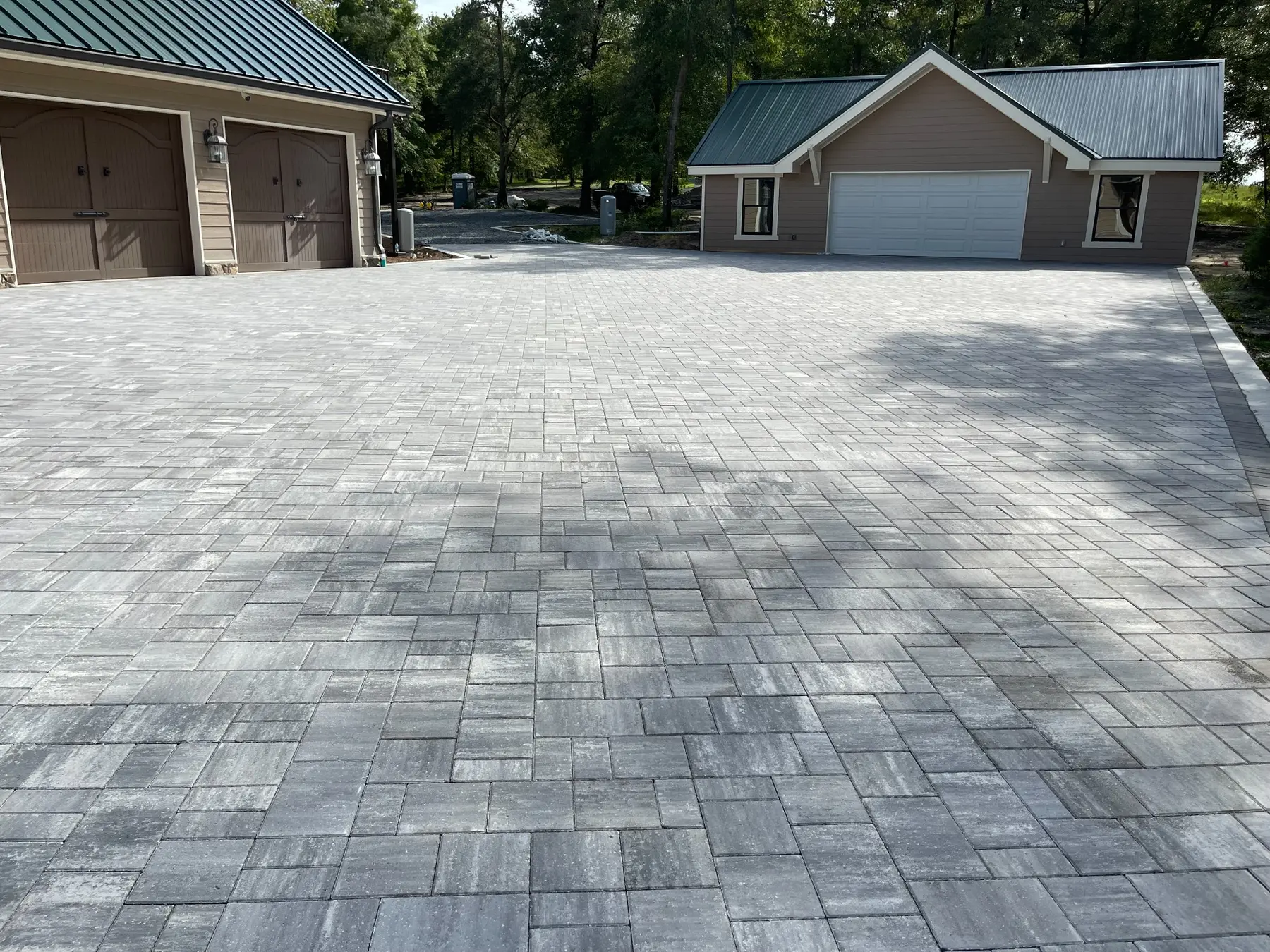
A practical paver-care schedule
Clear and respond
- Sweep or blow away leaves, soil, mulch and grit.
- Blot oil, grease and food spills instead of spreading them.
- Rinse pool chemicals, fertilizer and irrigation residue promptly.
- Keep planters, mats and furniture from trapping moisture unnoticed.
Inspect and wash
- Use mild dish soap, water and a soft brush for routine soil.
- Use only light pressure when washing; protect joints and edges.
- Check joint material after storms and heavy cleaning.
- Trim vegetation and redirect soil or mulch washing onto the pavers.
Review the whole system
- Look for settlement, rocking units, trip edges and open borders.
- Confirm water still drains away from structures and thresholds.
- Inspect shaded areas for recurring algae or organic growth.
- Evaluate sealer wear and existing coating condition before recoating.
Clean gently and match the cleaner to the stain
Start mild
For ordinary dirt, begin with water, common dish soap and a soft-bristle brush. Tremron recommends light pressure washing rather than harsh chemical cleaning.
Treat spills early
Blot fresh oil or grease, collect the absorbent material and use a cleaner labeled for concrete pavers. Test first so the cleaned area does not become a lighter spot.
Identify white deposits
Efflorescence is a natural mineral deposit, not automatically a failed paver. Confirm it before using a specialty cleaner and never substitute muriatic acid.
Protect the joints
A concentrated nozzle can remove joint material and expose the bedding system. Keep the wand moving, use light pressure and recheck the joints after cleaning.
Joints, borders and drainage need attention too
The visible paver is only the top of the system. Joint material helps the units work together, edge restraint keeps the pattern contained and the base supports the loads above. Repeated joint loss, spreading edges or sinking areas usually signal more than a cleaning problem.
Homeowner upkeep
- Keep soil and mulch below the paver edge
- Remove seedlings before roots become established
- Watch downspouts and irrigation overspray
- Note where joint material repeatedly disappears
Professional evaluation
- Rocking, settled or uneven pavers
- Recurring joint washout or edge movement
- Standing water or runoff toward the house
- Broken units, failed borders or visible base loss
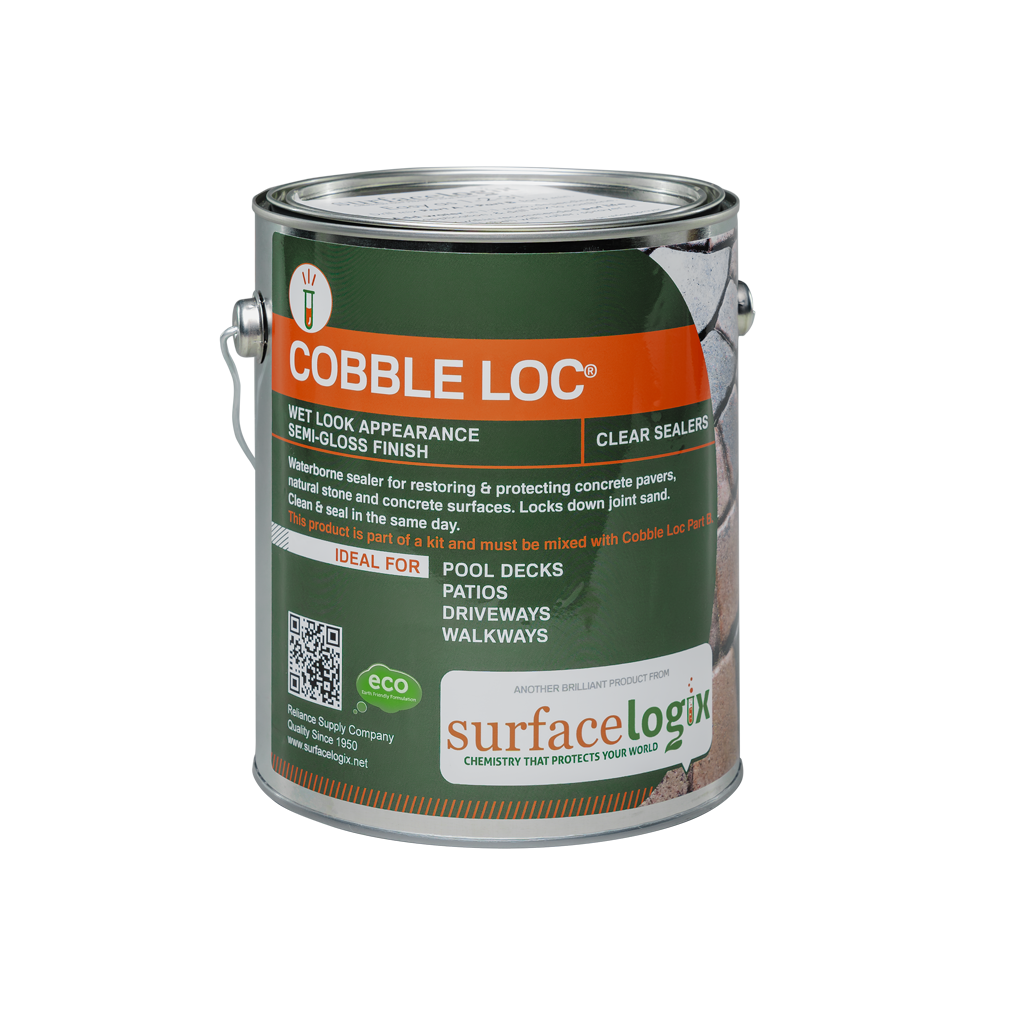
PPM SEALER STANDARD
PPM uses Cobble Loc for applicable concrete-paver sealing.
SurfaceLogix Cobble Loc is a professional two-part, water-based clear sealer available in semi-gloss, matte, hi-gloss and a grip-enhanced finish. It can enhance color, help protect against stains and tire marking, and stabilize joint sand. The correct finish depends on the surface, traffic and wet-area conditions.
Cobble Loc is not a do-it-all coating. Existing sealer compatibility, moisture movement, cleaning, repairs, joint condition and a test area should be resolved before application. SurfaceLogix states that the product is for professional use and should not be used where moisture cannot dissipate.
Read Cobble Loc product directions →Call PPM before cleaning or coating over a problem
Common paver-care questions
How often should Jacksonville pavers be cleaned?
Sweep or blow off leaves, soil and loose debris as needed, and address spills promptly. A deeper cleaning schedule depends on shade, trees, irrigation, traffic, pool use and how quickly organic growth returns.
Should I use bleach or muriatic acid on concrete pavers?
Tremron advises against bleach for routine paver cleaning and warns that muriatic acid can pit the surface. Start with mild dish soap, water and a light-pressure cleaning method, then use a surface-specific cleaner only after reading its label and testing a small area.
When should pavers be resealed?
Do not reseal only because a calendar date has arrived. Inspect wear, water behavior, joint condition and the existing coating first. Tremron notes that timing depends on the sealer and warns that resealing too soon can discolor pavers.
What sealer does Pavers Plus More use?
For applicable concrete-paver projects, PPM uses the SurfaceLogix Cobble Loc family of professional two-part, water-based sealers. The correct finish and preparation depend on the pavers, prior coatings, traffic and wet-area needs.
Is white residue on new pavers a defect?
Often it is efflorescence, a natural mineral deposit that can appear on concrete products and may diminish with time. Do not attack it with muriatic acid. Confirm the condition before using a specialty efflorescence cleaner.